What is a Bill of Quantities (BOQ)?
A Bill of Quantities (BOQ) is a detailed document that specifies each project item with required quantities and units of measurement. It forms the foundation upon which contractors build their financial proposals, and any pricing error could lead to significant losses or bid rejection.
1. Understanding BOQ Structure
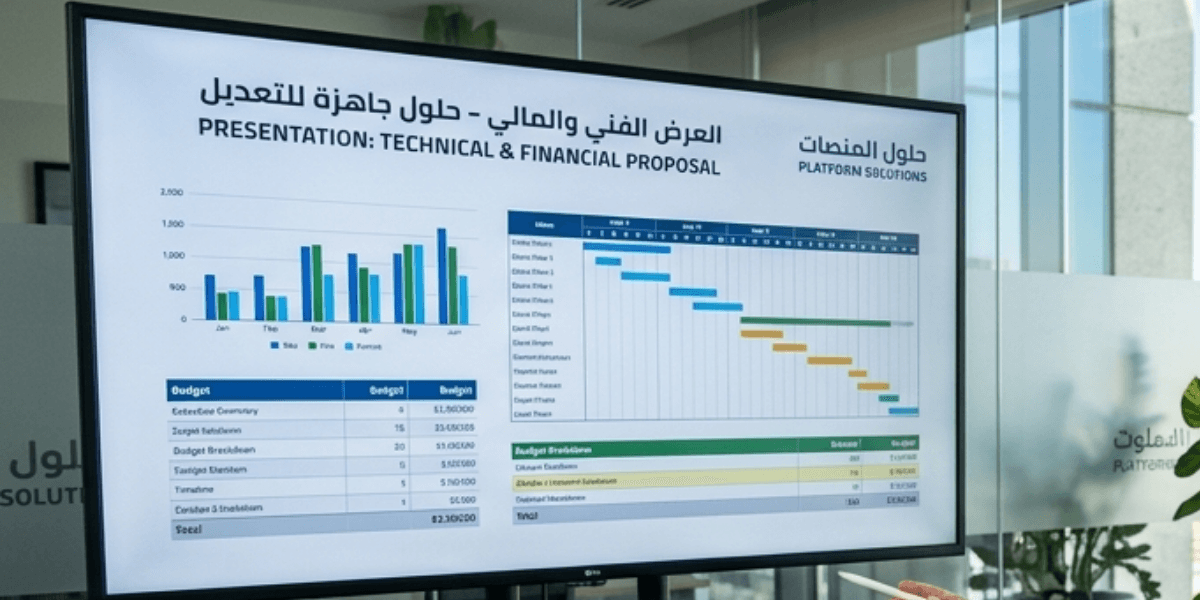
The table typically consists of: item number, item description, unit (square meter, linear meter, number, lump sum), quantity, unit price, and total.
2. Calculating Direct Costs
a. Material Costs
Obtain real price quotes from suppliers. Compare at least 3 suppliers and calculate transportation and storage costs.
b. Labor Costs
Calculate the number of workers required for each item × daily wage × number of days. Don't forget accommodation, insurance, and housing.
c. Equipment Costs
Will you rent or own the equipment? Calculate the operational hourly cost including fuel and maintenance.
3. Indirect Costs (Overhead)
Include: management salaries, office rent, insurance, bank guarantees, safety costs. Usually ranges between 10-20% of direct costs.
4. Profit Margin
Depends on competition level, project size, risks, and contract duration. Normal margin ranges between 8-15%.
5. Fatal Pricing Errors
- Extremely low pricing: The entity may exclude you or request justification
- Forgetting items: Zero pricing = guaranteed loss
- Not reading conditions: Some specifications require prices inclusive of tax
- Calculation errors: Ensure quantities are multiplied by prices correctly
6. Competitive Pricing Strategies
- Focus on high-quantity items — small reductions make a big difference
- Slightly increase prices for low-quantity items to compensate margin
- Study previous tender prices on Etimad platform
- Use Ataa AI to analyze specifications and predict appropriate prices
Conclusion
BOQ pricing requires precision, experience, and market knowledge. With tools like Ataa AI, you can analyze bill of quantities and suggest competitive prices based on actual market data.